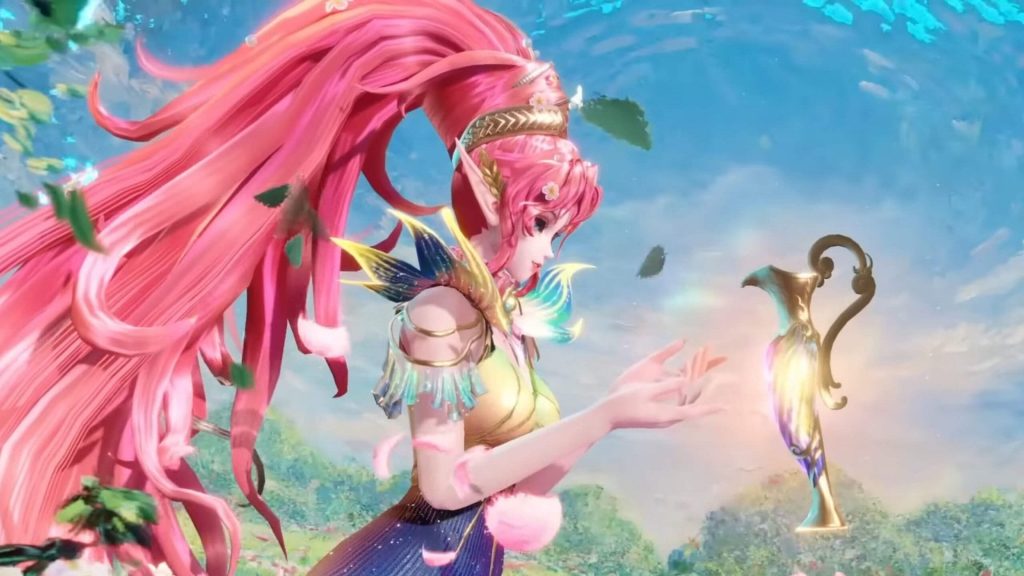
Moonton, the studio responsible for smash hit MOBA Mobile Legends: Bang Bang, has been sold to the Saudi Arabian-owned Savvy Games Group to the tune of more than $6 billion, according to a new report.
Per news platform Nikkei (which cites “people close to the deal”), Moonton’s parent company ByteDance and Savvy have signed an agreement for the latter to purchase the developer, although the deal is still subject to regulatory approval.
Moonton head Zhang Yunfan told employees today that the partnership will grant the studio “broader development opportunities” and enable it to “deliver an even better gaming experience to more players around the world”, although it’s not clear how the deal will affect Zhang’s position as ByteDance’s head of gaming.
Savvy CEO Brian Ward told Nikkei that the deal “directly supports Savvy’s purpose to enable prosperity and connection through play for generations to come”, with ByteDance describing the deal as “a natural next step in [Moonton’s] journey”.
ByteDance first acquired Moonton back in 2021, following the transaction up by acquiring a large share in Chinese studio Umi Game. However, ByteDance’s heavy investment in the gaming world didn’t seem to pay off; in 2022, the company laid off hundreds of its gaming employees.
Following those layoffs, it was reported in early 2024 that ByteDance was looking to get rid of its gaming studios, with possible buyers including fellow Chinese tech giant Tencent. It looks like the company has found a buyer for Moonton, at the very least.

As for what’s going to happen to Mobile Legends: Bang Bang, it’s unlikely to change anything significant for the game’s operations, at least in the short- to medium-term.
This is the latest step in Saudi Crown Prince Mohammed bin Salman’s efforts to invest heavily in the gaming space; the Saudi-backed Public Investment Fund, to which Savvy belongs, has invested in EA, Niantic’s gaming division, and Nintendo, among many others.
Most recently, the Saudi stake in Resident Evil Requiem developer Capcom was increased to 10% after another Saudi-owned organization, the Electronic Gaming Development Company, purchased 5% of the Japanese studio’s shares.