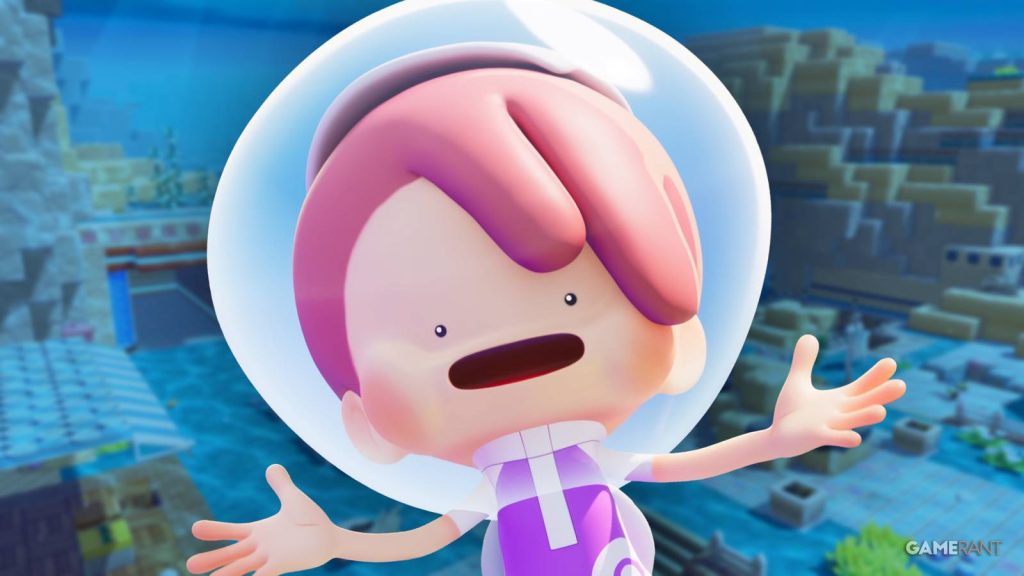
I was lucky enough to play a demo of Pokemon Pokopia ahead of its release, and upon playing it for the first time, I knew in my heart of hearts that Pokemon Pokopia would be a major hit. The game is colorful, interactive, and extremely relaxing, something I eventually sank hours upon hours into. While I am a massive fan of the new Pokemon title, especially since it spotlights one of my favorite Pokemon, Ditto, I did find myself getting a tad bit bored after a while. I like longevity out of my cozy games, something that I can pick up and play for long spans of time, with something new in store waiting for me each time I log in.
As far as cozy goes, Pokemon Pokopia certainly fits the bill. Instead of your standard high-stress Pokemon title with battles and grinding to level up your Pokemon, Pokemon Pokopia is a casual jaunt that lets players take things at their own pace. Most, if not all, of the game is slow-going, with the Pokemon around you helping out rather than fighting. Players can do it all in this real-time world, from experiencing changing weather to farming, cooking, and extensive home and town decoration. While I think Pokemon Pokopia is extremely cozy, there are games out there that do the cozy genre better, without exhaustion. I find that my favorite cozy titles involve me in a world unlike my own, letting me create a small utopia for myself, with mechanics that provide something new to mix up the mundane.
7
Animal Crossing: New Horizons
A Cozy Game With Endless Possibilities
-
 Image via Nintendo
-
 Image via Game Rant | Source: Nintendo
-
 Image via Nintendo
Upon release, many folks immediately clocked the similarities between Animal Crossing: New Horizons and Pokemon Pokopia. For starters, both games feature terraforming and landscape-reshaping mechanics that are a joy to work with, and the characters and interfaces are somewhat similar, with a cutesy, rounded finish to everything. In short, Animal Crossing: New Horizons is a staple for cozy gamers to lower their cortisol and have a fun time. In fact, the whole franchise is pretty cozy, with hits like Animal Crossing: New Leaf and Animal Crossing: City Folk offering the ability to build a world of their own, make friends with animal neighbors, and customize their character to their own likeness.
I’d take Animal Crossing over Pokopia any day. For one, there is seemingly much more longevity that players can get out of their Animal Crossing worlds. Scenarios were repetitive and began to slow down in Pokoipia, breaking my immersion. In Animal Crossing, seasons change, just like Pokopia; villagers move in and out of a player’s town, and there’s always something unique that could be happening, like festivals or chance encounters with pelican space travelers.
There’s endless fun to be had in the world of New Horizons, from visiting the local coffee shop, The Roost, to chatting up neighbors and filling up the museum with all the fun creatures you have worked so hard to catch. I personally loved the terraforming aspect, a new addition to the Animal Crossing universe that allowed me to physically shape and mold my island as I saw fit, creating water features and carving out paths. As recently as 2026, Nintendo has added updates to the game to keep players coming back.
6
Harvest Moon: A Wonderful Life
Farm, Take Care Of Livestock, & Court A Lover, All In One Game
-
 Image via Natsume
-
 Image via Natsume
-
 Image via Natsume
Before their eventual split, Nastume and Marvelous Interactive created Stardew Valley before we had Stardew Valley, dropping Harvest Moon: A Wonderful Life in 2003. When I discovered this farming simulator meets matchmaking game so many years ago, I was hooked. There’s something about creating a life so opposite to your own that is so compelling to me. I sunk hours upon hours into Harvest Moon: A Wonderful Life, finding everything from farming and raising livestock to courting partners absolutely charming. This is a GameCube title that moved away from the 2D pixel art that defined it, shifting into a 3D world that I just adored.
To sum up the simplistic narrative, players can name their boy character, dog, and horse. Once they get past the title screen, they will learn that they have inherited a farm seemingly on its last legs. The goal is to get the farm up and running by the end of an in-game year. That means raising livestock, growing fruits and veggies, and just being a generally upstanding part of the town. While I love the livestock portion of the game, particularly where players can buy rams and goats, I also love the courting aspect.
Once players know which bachelorettes are eligible for courting, they can go all in, getting them gifts and speaking to their lucky lady about anything and everything. The goal is to get their affection levels high enough that players can propose with the coveted blue feather, a symbol of undying love. From there, players can get wed and start a full-on family. Nothing screams cozy to me like establishing another world for yourself, creating a life that is without problems or stress. Harvest Moon: A Wonderful Life does just that.

Find all 10 pairs
5
Roots Of Pacha
A Farming Simulator But in the Stone Age
I love farming in video games. I don’t have a green thumb, so being able to bring fruits and veggies to life on a pixelated scale is super satisfying. Roots of Pacha features all the charm of a farming sim, but with a twist. The game is set in the Stone Age, which means building a life is not only a hobby but a necessity. Settled in uncharted lands, players must farm, forage, and domesticate animals, creating a successful world out of nothing. As part of a clan, players need to pull their weight, contributing to the overall well-being of friends and family instead of focusing on just themselves.
Clan members will make technological breakthroughs that aid survival, like food preservation, metalworking, pottery, and new building structures. Roots of Pacha is a slow-build title that players can sink hours upon hours into, a cornerstone of any good cozy game. It takes time to see progress, which makes it all the more satisfying to see the clan you’ve stuck with successfully thrive, even in the harshest of conditions. The game reminds me a lot of the Virtual Villagers series, a simplistic farming and survival sim that I practically grew up on.
4
Creature Kitchen
Feeding Little Guys Out Of A Cozy Log Cabin
-
 Image via The Rat Zone
-
 Image via The Rat Zone
-
 Image via The Rat Zone
Feeding animals and creatures big and small curated meals? Sign me up. Creature Kitchen is an indie title developed by The Rat Zone that focuses on feeding visitors who come to a cabin in the woods. Players are tasked with taking care of the cabin while the owner is away. The owner has left instructions on how to appease each critter that comes to the cabin, and all the player has to do is scrounge for ingredients in or out of the cabin and feed them to the respective creature.
This first-person title also has the player snapping photos of the creatures that come by to put their Polaroid in a large book, keeping track of all the satisfied customers. Feeding creatures their favorites will boost a player’s affection levels with said creature, which, in turn, helps them unlock new rooms via gifted keys. Creature Kitchen starts kind of eerie, with a horror aspect on the fringes, but it quickly transforms into something warm and inviting that I couldn’t put down. Every animal or mythical being a player encounters is just downright cute, and the atmosphere of this game is cozy and unique. It brings me back to my childhood, where I regularly cooked goodies on Cooking Mama.
3
Hello Kitty Island Adventure
Hang With Hello Kitty & Her Friends On A Customizable Island
-
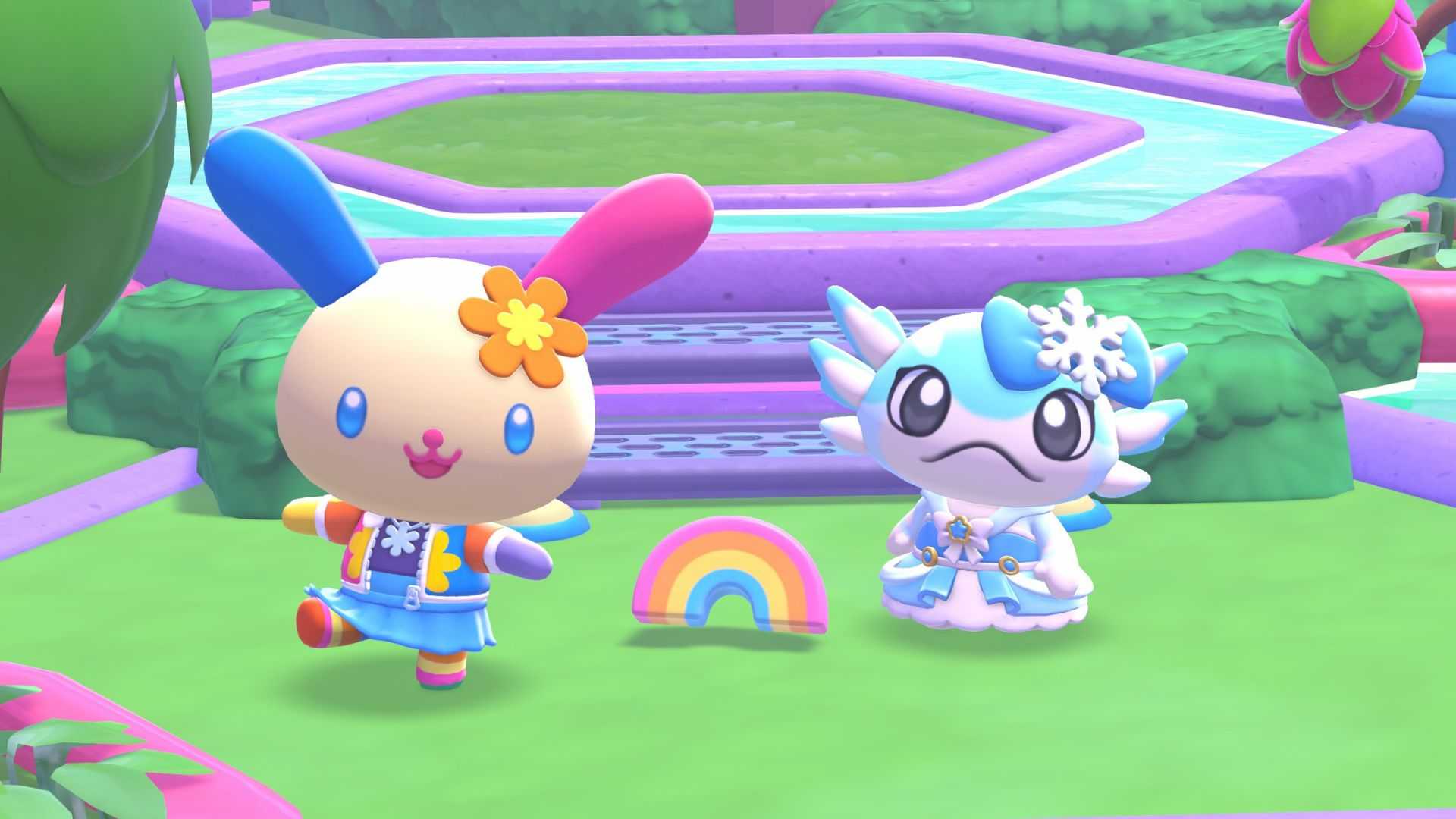 Image via Game Rant; Source: Sunblink
-
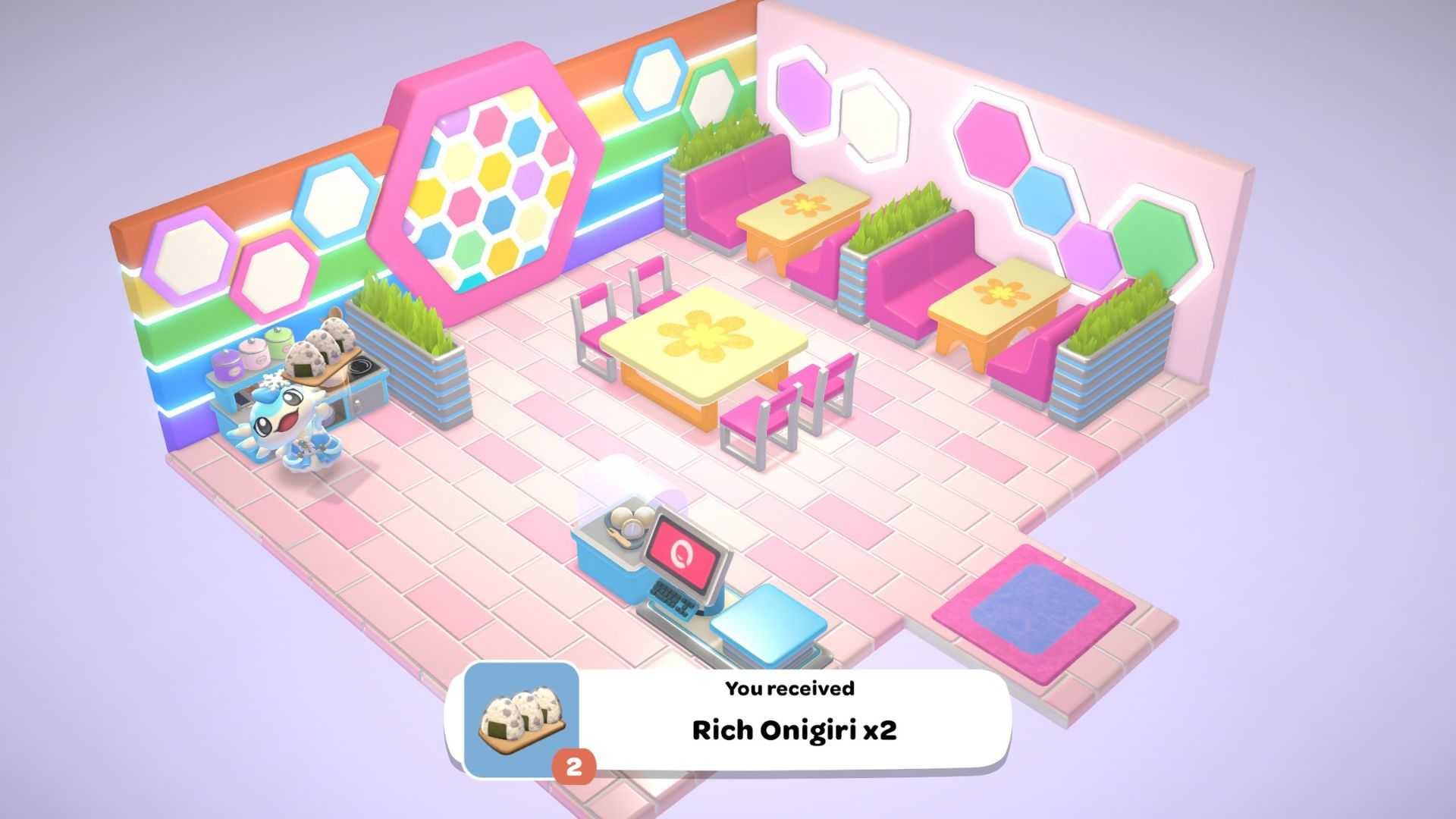 Image via Game Rant; Source: Sunblink
-
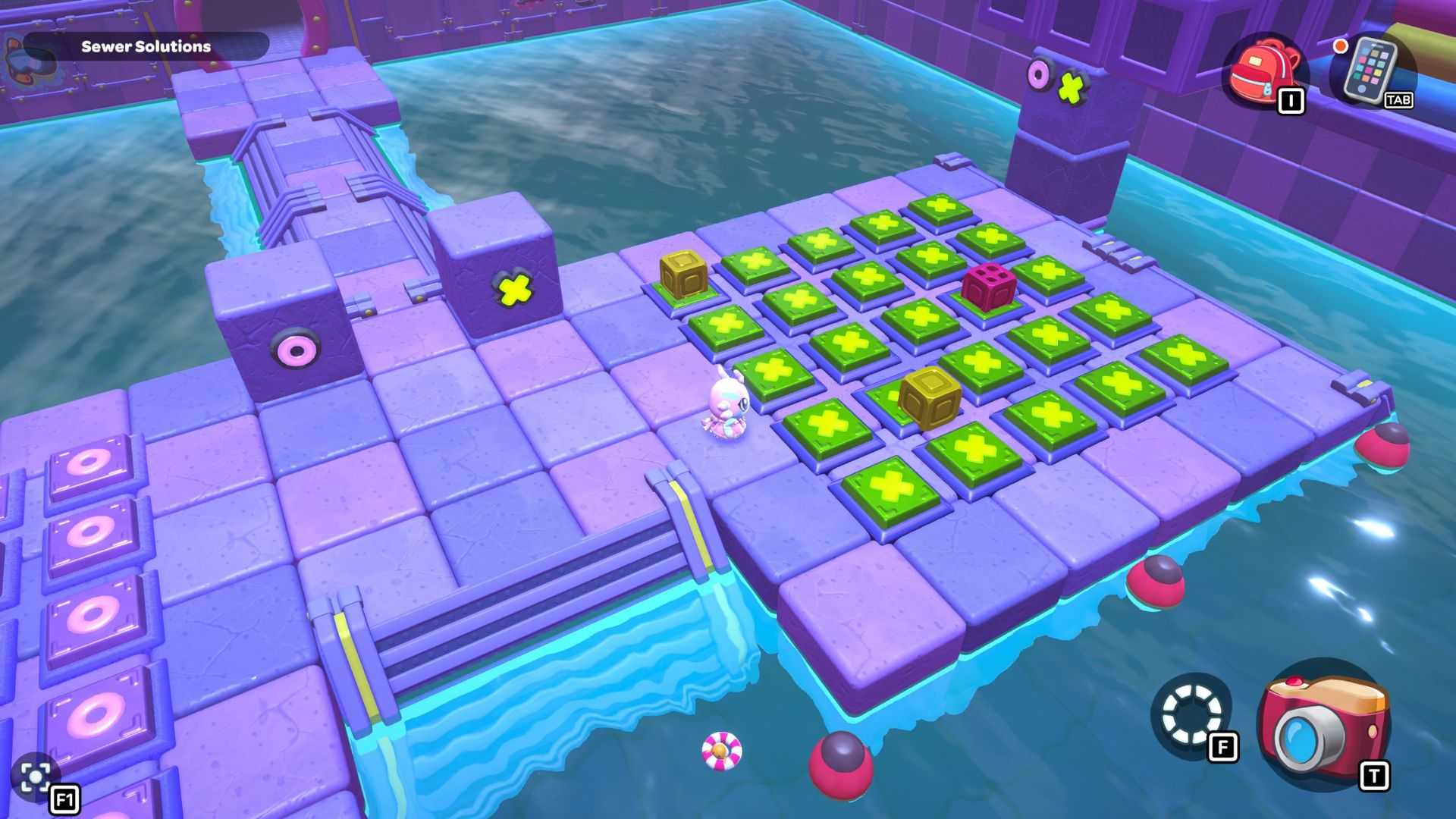 Image via Game Rant; Source: Sunblink
I have always wondered what it would be like to hang out with all of my favorite Sanrio characters. I don’t have to wonder anymore after I picked up Hello Kitty Island Adventure. The game is essentially Animal Crossing meets Pikmin, but with 40 Sanrio characters. After players create their character, they board a plane alongside everyone’s favorite kitty, Hello Kitty, and a few other Sanrio characters. Players and their pals are headed to a tropical destination until the plane crashes on an abandoned theme park-themed island called Friendship Island.
From there, players are tasked with finding all of their friends who were scattered across the map during the crash. They must also rebuild the island from the ground up. Crafting, cooking, fishing, and bug catching are just some of the things players can accomplish on their island, providing almost endless fun. I loved being able to talk to some of my favorite Sanrio pals, from Cinnamoroll to Kuromi, gifting them items that improved my friendship level with them. When my friendship levels got high enough, I was able to unlock new story quests to tackle and a few nifty character abilities.
The island itself is extremely colorful, just as the characters are. On the island, players can decorate cabins, both the interior and exterior, and plant lush gardens where flowers can be cross-pollinated to create new breeds, just like in Animal Crossing. I love Sanrio characters, so being able to inhabit their world while creating my own was a dream come true.
2
Smushi Come Home
A Little Guy On A Big Adventure
-
 Image via Mooneye Studios
-
 Image via Mooneye Studios
-
 Image via Mooneye Studios
If your game has a little character with a cute face, consider me hooked. Smushi Come Home, created by the talented SomeHumbleOnion, aka Noah Lone, and published by Mooneye Studios, is an adventure game starring a tiny mushroom character named Smushi who lives on an island in the middle of a large body of water. Isolated from the world around the little fella, Smushi and his siblings spend their days drawing, lounging, and chatting before Smushi is cruelly snatched up by a bird. Away from their siblings and in a world he doesn’t understand, Smushi must fight their way back to their siblings and the home they once knew.
I was instantly in love with this indie romp within the first hour. While this is a relatively short game, it is a must-play because of how endearing it is. The story is all about experiencing new things, pushing yourself, and being brave in the face of adversity, all good lessons to learn. To get home, Smushi must travel through diverse biomes that are thoughtfully designed, chat with quirky forest creatures to obtain useful info or trade with them to obtain items, and catalog real-life fungi in an in-game Mycology Journal. The world is so stinking cute, and the NPCs all have quirky little voices and personalities that make key finding all the more fun. This game should take folks around 3 to 4 hours to complete, unlike Pokemon Pokopia. It’s a satisfyingly short must-play for cozy gamers everywhere.
1
A Short Hike
Take A Hike, Get Cell Service
-
 Image via Adam Robinson-Yu
-
 Image via Adam Robinson-Yu
-
 Image via Adam Robinson-Yu
When I am in the mood to zone out and relax, I play A Short Hike, an open-world adventure title created by Adam Robinson-Yu. The game sees players piloting an anthropomorphic bird girl named Claire, who works as a ranger at Hawk Peak Provincial Park. While she waits for an important phone call with no cell service, Claire decides to take a hike to set her mind at ease, venturing to the tallest point of Hawk Peak to get some cell service. Relatable. The subsequent journey is scenic and cozy. Players are treated to a low-poly world with lush forests that transition into sunny beaches cupped by blue bodies of water.
The goal is to simply explore this open world. With no set path, players can take Claire anywhere they please, running, jumping, flying, and swimming to their hearts’ content. To enhance Claire’s skills, players must collect golden feathers. Beyond getting proper cell service, Claire can take on side missions along her journey that allow players to take their time and enjoy the fictional world around them. Fishing, digging for treasures long buried, and chatting with animal NPCs are just some of the fun things A Short Hike has in store for cozy game lovers. I am personally a sucker for fishing in games. Watching the water move is so relaxing while I am winding down. I’m not good at fishing in real life, so this gives me the satisfaction of getting a big catch, just on a smaller scale.