There’s no shortage of open-world RPGs, but many of them focus too much on mechanics or visuals and not enough on storytelling. And I don’t just mean the specific narrative of a given game, but also the story of the fictional space itself. The best RPGs make you feel like you’re inhabiting a living, breathing world.
It should be noted that there are many facets to world-building, and no single, objective way to measure it in a given piece of media. But generally speaking, great world-building is characterized by detail-oriented writing, complex and diverse characters, and, specifically in the interactive medium, thoughtfully designed environments, mechanics, or secrets. Here are some games that exemplify what world-building can be in open-world gaming.
Tainted Grail: The Fall Of Avalon
An Underrated Interactive Rendition Of Arthurian Legend
-
-
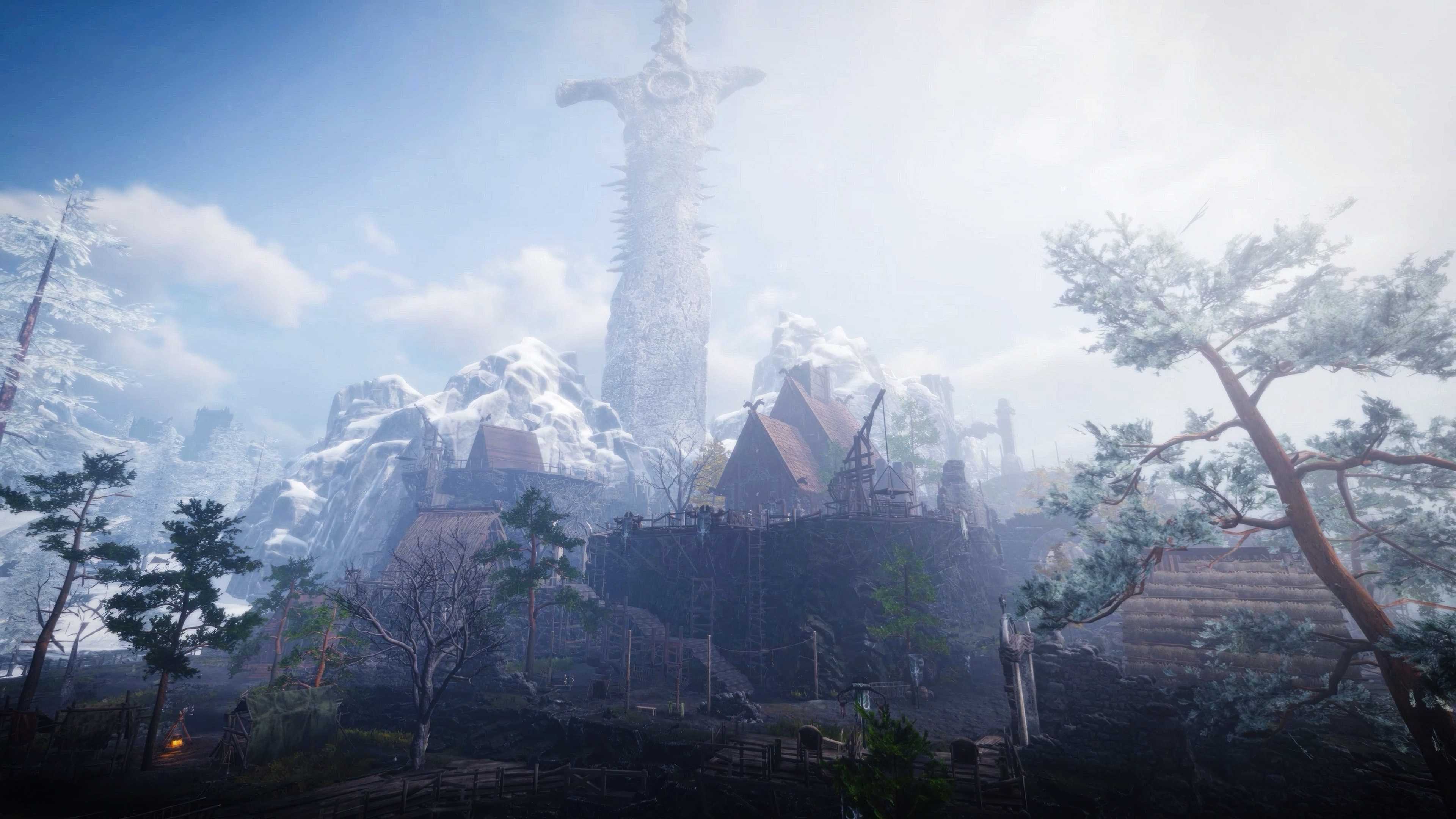 Image via Awaken Realms
-
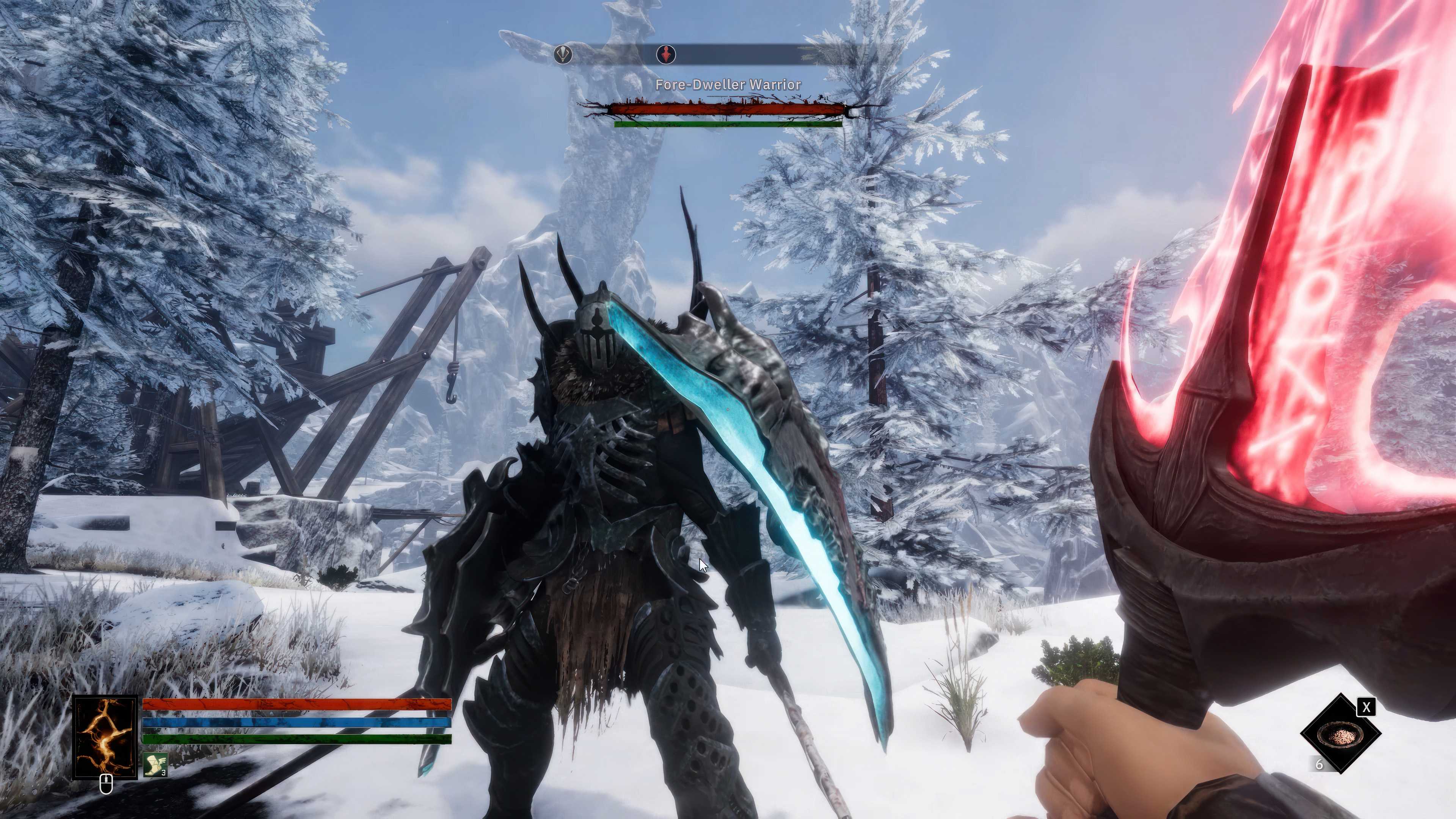 Image via Awaken Realms
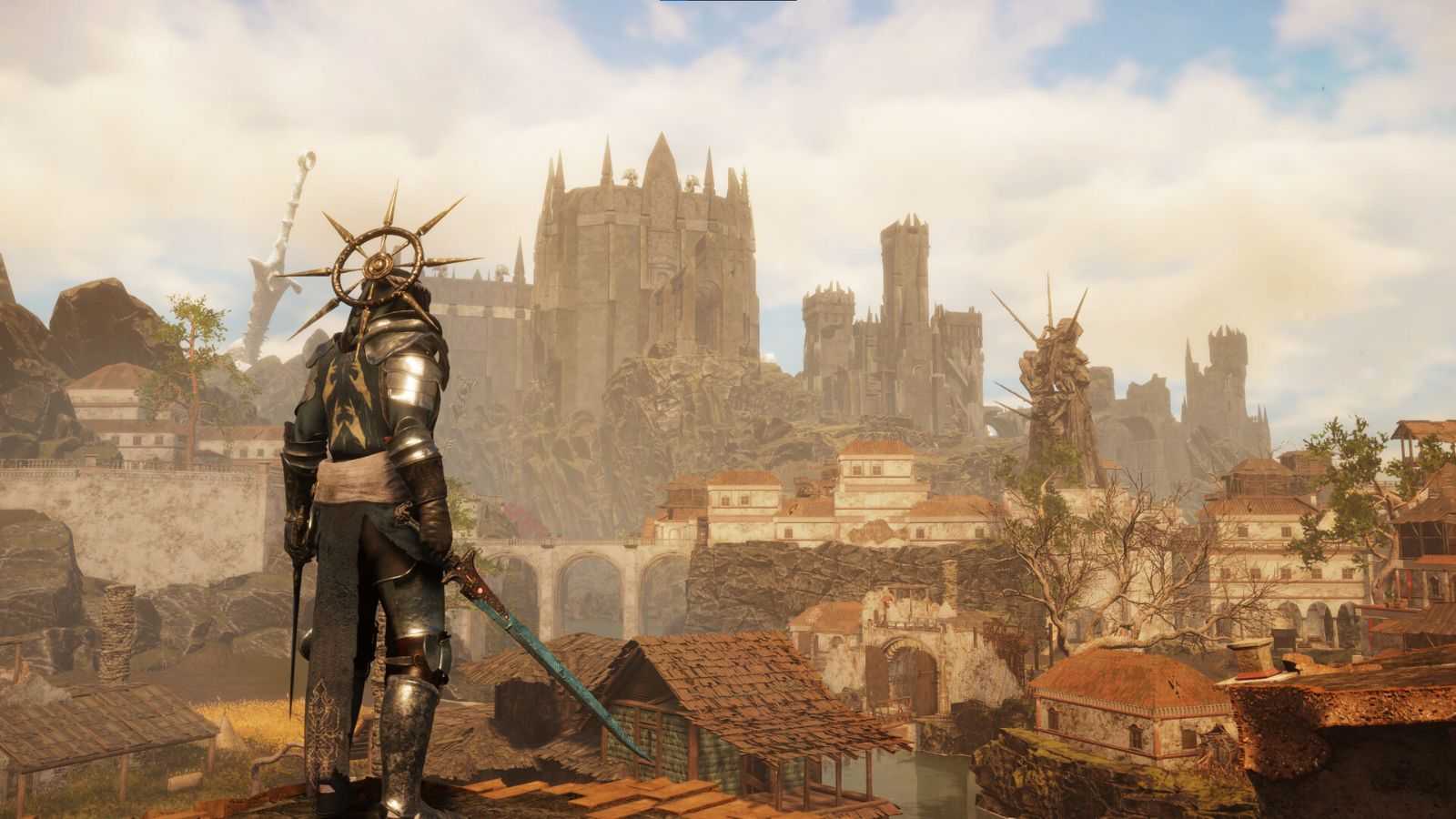
Whether you’re interested in Arthurian legend or not, you should definitely give Tainted Grail: The Fall of Avalon a shot. It’s the best RPG based on the tales of King Arthur by a country mile, but it’s also a fantastic homage to Skyrim in more ways than one.
Granted, Tainted Grail can’t take credit for the depth and intricacy of Arthurian legend, but it certainly gets points for presentation. With great voice acting, world design, and atmosphere, Tainted Grail: Fall of Avalon brings its source material to life like never before.
Elden Ring
Some Of FromSoftware’s Best Work
FromSoftware has some of the best world-building in all fiction, and Elden Ring maintains that standard of excellence. But Elden Ring also marks a first for the famous developer, as its world was devised in collaboration with George R.R. Martin, author of the seminal A Song of Ice and Fire (Game of Thrones) series.
The result of this collaboration is a project that looks and feels like equal parts FromSoft and Martin. It has the robust and unflinching politics, family drama, and bizarre magic of the latter’s work, alongside the esoteric presentation and grotesque imagery of the former’s.

Rearrange the covers into the correct US release order.
Rearrange the covers into the correct US release order.
Easy (5)Medium (7)Hard (10)
The Witcher 3: Wild Hunt
Much Imitated, Never Matched
-
 CD Projekt Red
-
-
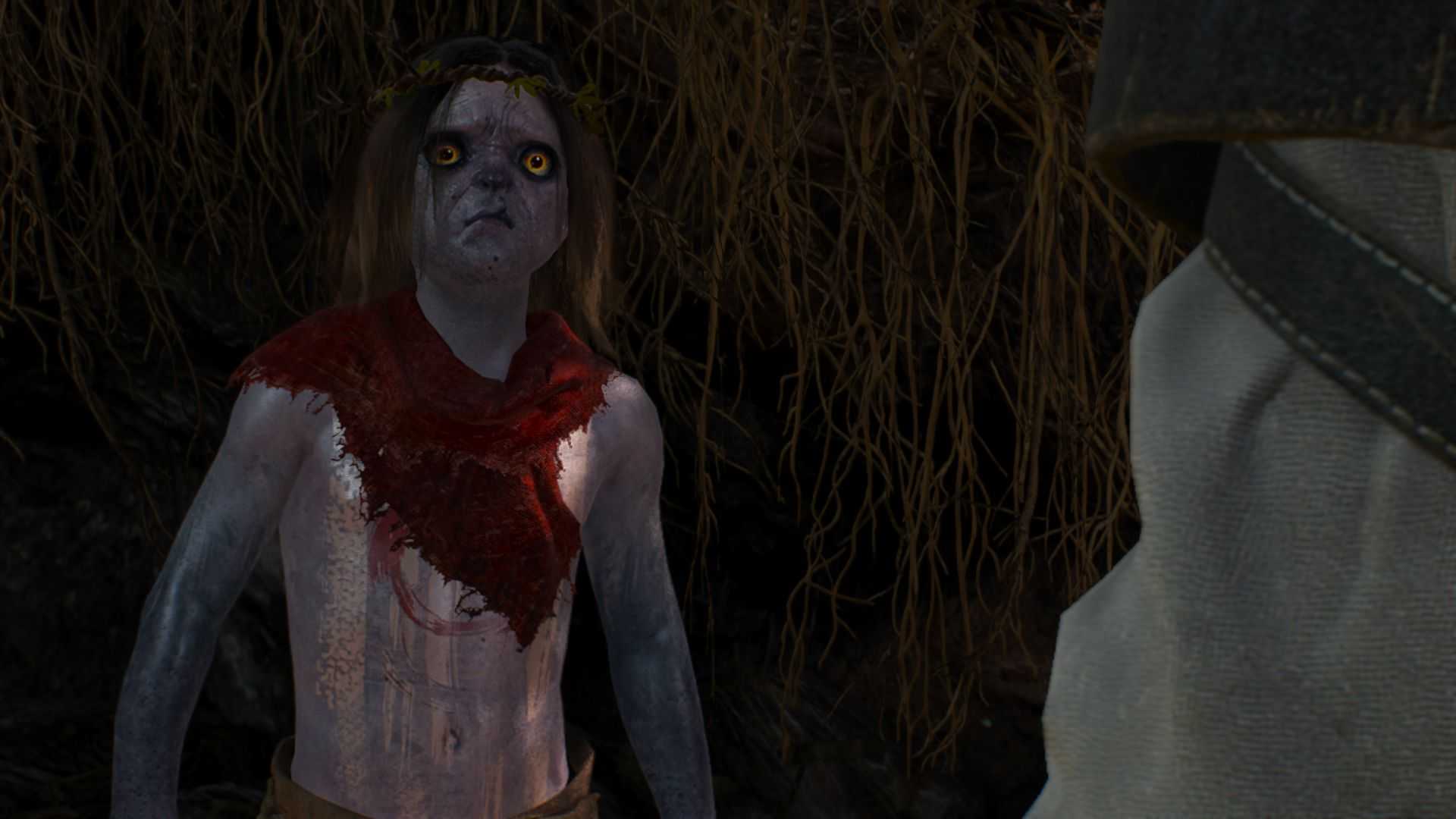
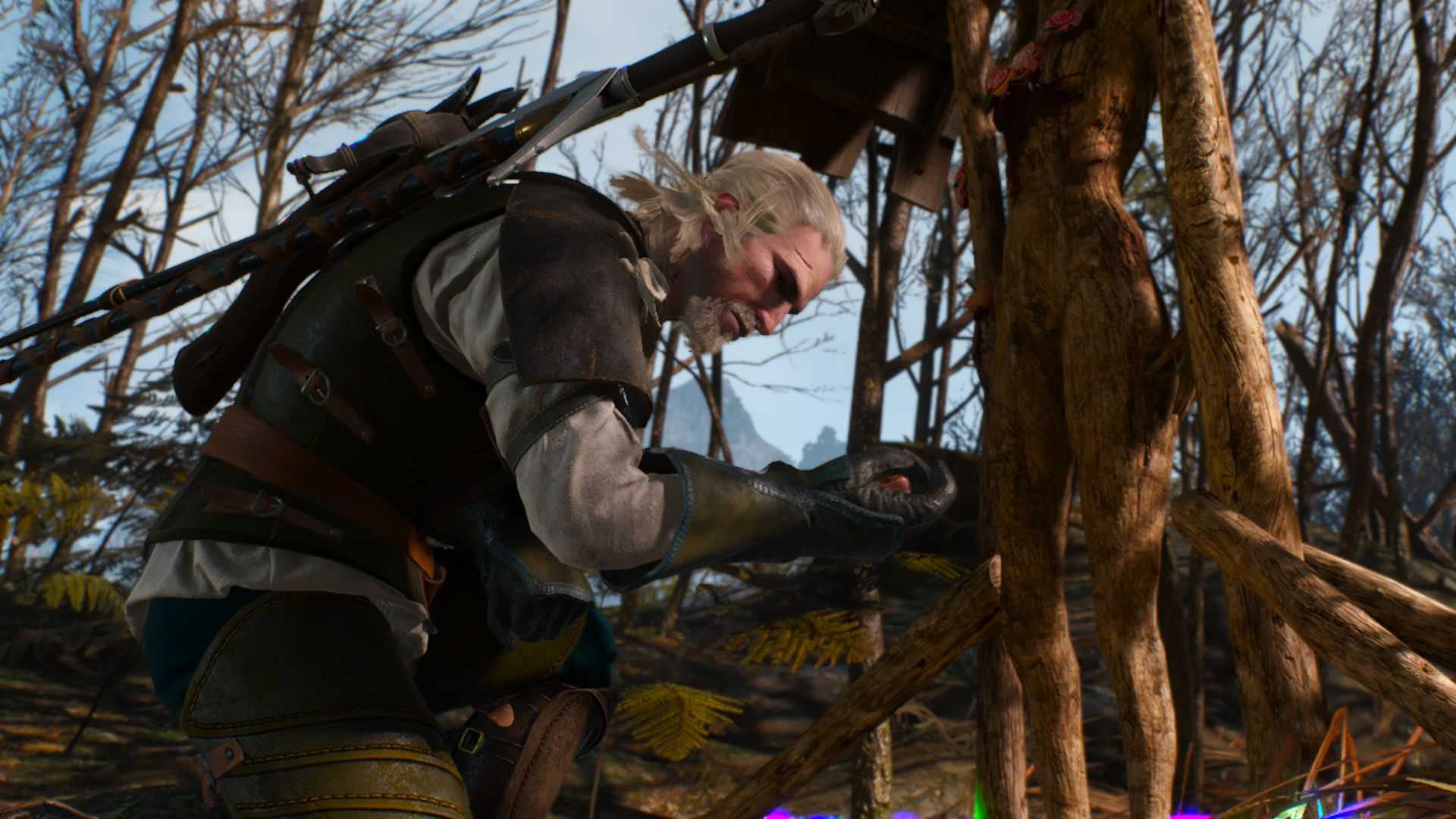
To say that The Witcher 3: Wild Hunt has good writing is a bit like saying Citizen Kane is a good movie: at this point, everyone has already gotten the memo. Still, CD Projekt Red’s 2015 RPG deserves its flowers, as it brings Andrzej Sapkowski’s dark fantasy world to life better than any of its predecessors, or the Witcher Netflix show, for that matter.
The Witcher 3 is a unique example of how perspective can impact world-building. It’s not just that the game presents an interesting, complex fantasy world to explore. The fact we see it through the eyes of a weathered, legendary Witcher meaningfully enhances the experience in ways that are hard to quantify.
Fallout: New Vegas
The Pinnacle Of 3D Fallout
The vast world of the Fallout franchise is fantastically realized, but some games present and iterate upon this setting better than others. For my money, it’s a tie between Fallout 3 and Fallout: New Vegas as far as exceptional world-building is concerned.
New Vegas is, generally speaking, better written than the other 3D Fallout games. In particular, its depiction of various in-world factions is spectacular, with nuanced, compelling characters at the center of it all. This magnifies the game’s impact on Fallout lore, since there’s a greater fondness for, say, Caesar’s Legion, than there would have been otherwise.
Dune: Awakening
To Be Fair, It Had A Great Starting Point
Dune: Awakening is another instance of a game having a narrative head start courtesy of its source material. Frank Herbert’s Dune is among the most celebrated pieces of science-fiction literature, its world so unique, detailed, and alien.
To be fair, Dune: Awakening does take significant liberties with its source material, being set in an alternate timeline where protagonist Paul Atreides was never born. It’s basically a “what if” story set in the Dune universe, which is more than worth exploring.
Vampire: The Masquerade – Bloodlines
A Painfully Overlooked Urban Fantasy World
Urban fantasy is a subgenre that tends to be overlooked in gaming, perhaps because the 2000s oriented it more towards young adult media. That said, Vampire: The Masquerade – Bloodlines, the cult classic 2004 RPG from The Chinese Room, is certainly no Twilight.
To be fair, world-building is also a strength of the recent Vampire: The Masquerade – Bloodlines 2, but the original does it a little bit better.
Vampire: The Masquerade‘s world contains disparate vampire clans that essentially form a new sort of blood lineage, and most clans agree to the Masquerade, a pact to keep vampirism a secret from humans. From this basic concept, Bloodlines offers a detailed, compelling, and expertly crafted fictional world to explore, loaded with gothic themes and complex narrative choices.
Cyberpunk 2077
Brilliant Sci-Fi Storytelling Decades In The Making
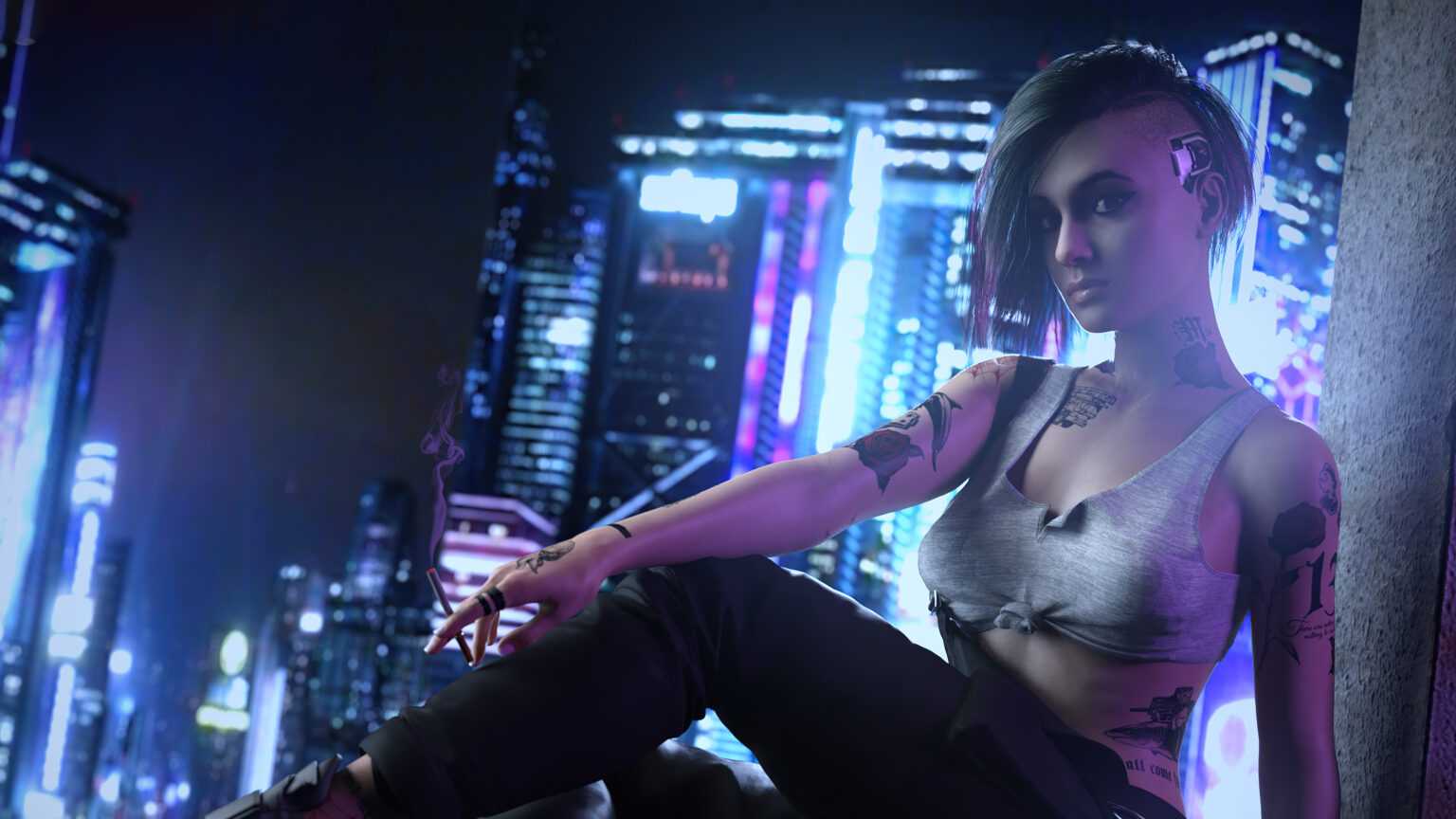
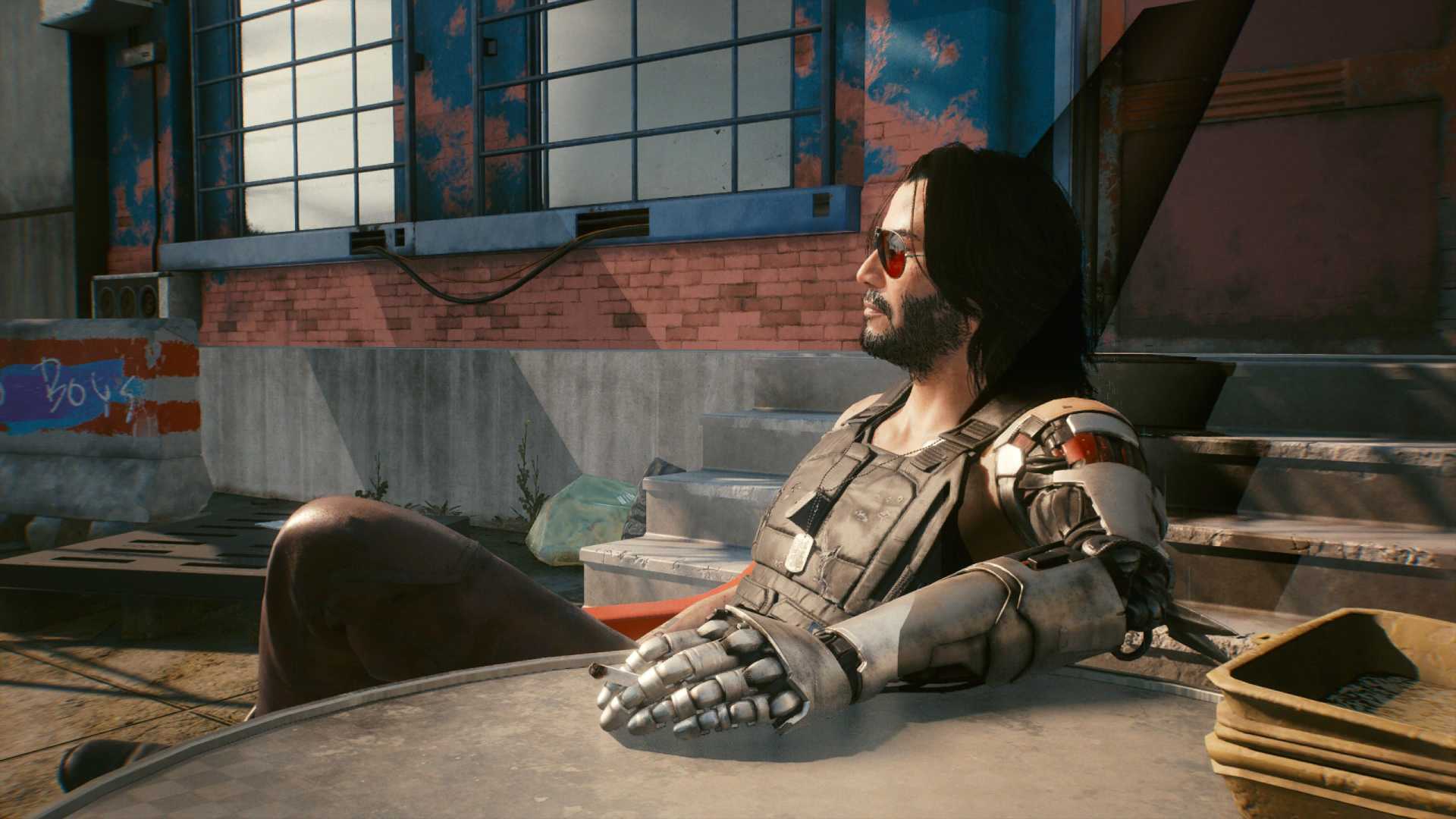
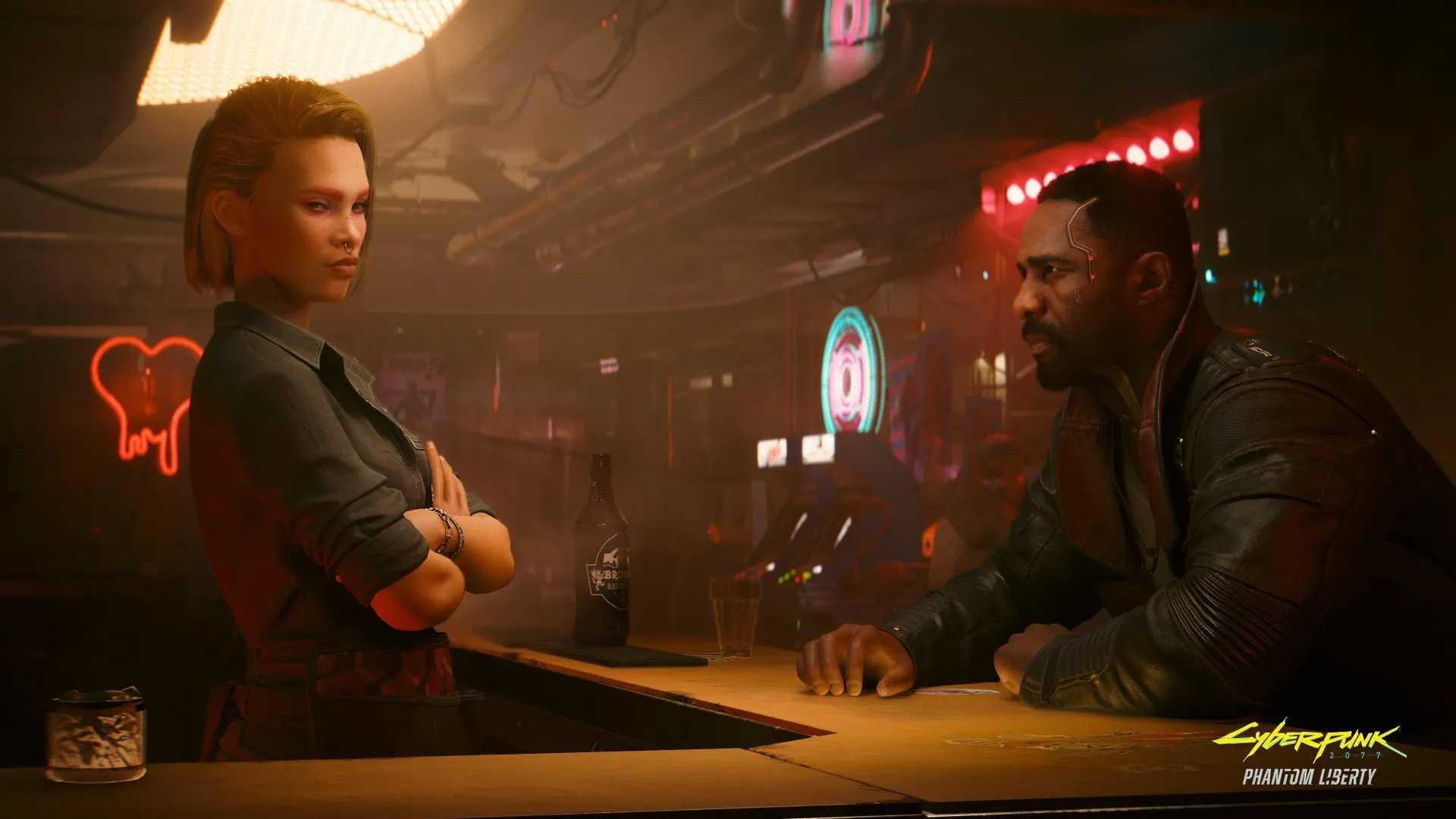
Cyberpunk 2077 may be based on the Cyberpunk tabletop RPG franchise by Mike Pondsmith, but it has definitely played a big role in shaping the public’s perception of the genre as a whole. It’s not like Cyberpunk was a massive, ubiquitous franchise with heaps of extensive media already available; CD Projekt Red, like with The Witcher had to give moving, playable form to something that previously only existed on the page.
Like with The Witcher, CDPR achieved this goal, though not without some growing pains. Post-updates, Cyberpunk 2077 is a stunning, stylish, and relentlessly charismatic game that’s hard to let go of. It has the most high-fidelity, detailed, expansive sci-fi open-world to date, and the writing chops to back it up.
S.T.A.L.K.E.R. 2: Heart Of Chornobyl
World-Building That Will Get You In The Zone
Like many other games (e.g., Metro 2033 and Pacific Drive), S.T.A.L.K.E.R. is strongly inspired by the classic Russian novel Roadside Picnic, albeit in a roundabout way. It’s mostly inspired by the 1979 arthouse film Stalker, which is itself a loose adaptation of Roadside Picnic. At any rate, this unmistakable, Zone-based world-building is on full display in the S.T.A.L.K.E.R. games, and S.T.A.L.K.E.R. 2: Heart of Chornobyl portrays it better than ever.
With the pivot to full open-world design, S.T.A.L.K.E.R. 2: Heart of Chornobyl manages to better convey a sense of loneliness and terror in its unique way. It’s a world that can be called Lovecraftian in nature, but still has its own unmistakable identity.
Dread Delusion
Simple Graphics, Deep Lore
2024 indie darling Dread Delusion is getting a second wave of much-deserved praise thanks to its release on consoles this year. A lot of what makes this game special is its otherworldly, low-poly art style, but this aesthetic merely serves to elevate its strange and multifaceted lore.
Dig into Dread Delusion‘s world, and you’ll find a complex tale of mortals against gods and apocalyptic catastrophes. It’s surprisingly unnerving, but not in a way that’s needlessly dour or depressing, which is refreshing. In many players’ eyes, world-building is Dread Delusion‘s greatest strength, and I can’t say I disagree.