Magic: The Gathering is not exactly the easiest trading card game to get into for newcomers, but for veterans of Wizards of the Coast’s game and more experienced TCG players in general, it can really be a gold mine. There are various card types in Magic: The Gathering, each with multiple possible subtypes, and sometimes they can be combined for even wilder results if the designers so wish. While it’s unlikely to ever see something like a Planeswalker that is also a Saga due to text and layout bloat, it’s not uncommon to have artifact creatures, whereas some combos like Legendary sorcery are less frequent.
While Legendary sorcery in particular is not much of a difference from its regular sorcery counterpart, as it’s not a permanent, MTG‘s Legend Rule can make some Legendary cards quite problematic – or potentially game-defining, like in Commander. The Legend Rule states that players cannot control two or more legendary permanents with the same name at the same time, and if that happens, all but one copy must be placed in the graveyard. As such, it can be particularly hard to use Legendary lands in MTG, which is why only one has been printed in the past year.
Why Legendary Lands Are One of Magic: The Gathering’s Rarest Type Combos
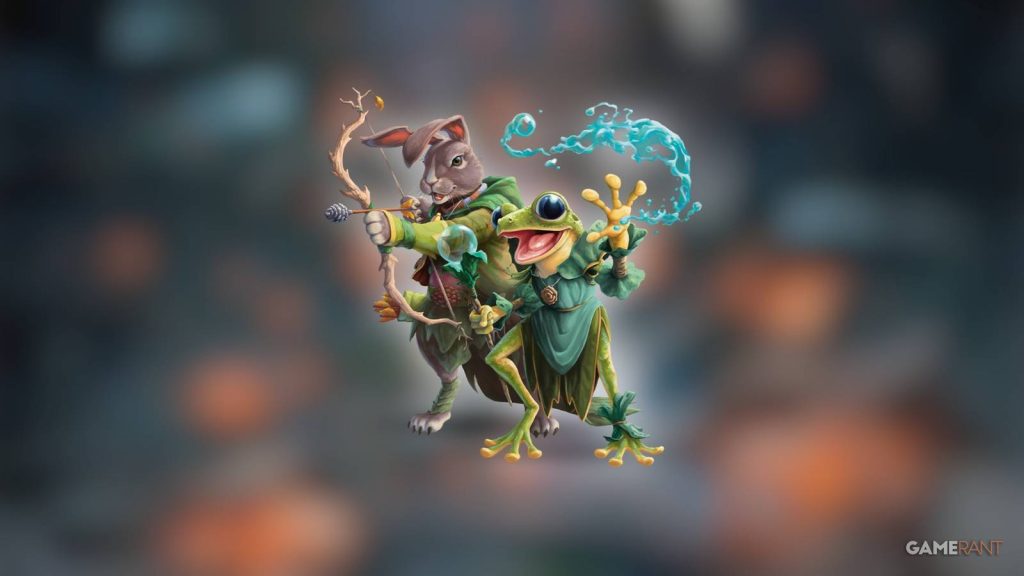
MTG‘s Bloomburrow set was home to several critters of the woods and other biomes, and one of the chase cards from it was Three Tree City, a Legendary land. Three Tree City is the perfect example of why Legendary lands exist, as it normally adds one colorless mana when tapped, but one can pay two generic mana and tap it to generate mana of any one color based on the number of creatures of a chosen type that they control. As such, it feeds into the loop of Bloomburrow’s typal decks, such as mouse or frog creatures, and one can get a lot of mana by using a copy of Three Tree City.
2024 saw more Legendary land cards overall, but since Bloomburrow’s release in August of last year, Three Tree City has been the only one to be printed.

However, since Three Tree City is Legendary, one can’t control two or more at the same time, which means the card can’t be abused to produce game-breaking amounts of mana with three or four copies on the field. It’s also interesting that Final Fantasy‘s town cards in MTG are regular lands despite being named and designed after key locations in the franchise, and the reason is that this way, they don’t incur the Legend Rule.

Likewise, MTG’s Spider-Man set includes iconic locations like the Daily Bugle Building and Oscorp Industries, which are lands but don’t have the Legendary supertype.
In total, there are just over 80 Legendary land cards in the game, and most of them come from Kamigawa as a plane across multiple sets, and a bunch also come from The Lost Caverns of Ixalan and MTG‘s The Lord of the Rings set. It does make sense to have particularly powerful land cards in the game that are Legendary in order to make them less problematic. At the same time, it could also be beneficial to have a different ruleset in place, like WotC’s own Mark Rosewater suggested, where Legendary is just a tag and Unique is what creates the Legend Rule.

Why It Makes Sense to Print Fewer Legendary Lands in MTG

Considering WotC’s approach to potential Legendary lands in Final Fantasy and Spider-Man, it makes sense to print fewer and fewer of these in favor of player agency when building decks. For example, formats like Standard and Limited are where having multiple Legendary lands can backfire, so making iconic locations non-Legendary may be a less flavorful decision, but a better one for the health of the game and its gameplay. So far, lands are among Magic: The Gathering‘s most expensive cards when it comes to the OG dual lands, and powerful ones like Boseiju, Who Endures, still go for $50 or more.

- Original Release Date
-
August 5, 1993
- Designer
-
Richard Garfield
- Player Count
-
2+
- Age Recommendation
-
13+