
As the creator of The Twilight Zone, Rod Serling was responsible for over half the episodes of the TV series, writing a jaw-dropping 92 installments of the show’s 156. His episodes veered wildly from some of the most heartfelt and life-affirming (“The Trade-Ins,” “A Passage for Trumpet”), the most nostalgic (“Walking Distance”), and the most culturally resonant (“The Monsters Are Due on Maple Street,” “The Shelter”) to some of the creepiest (“The Dummy,” “The Hitch-Hiker”). Aside from those achievements, Serling also wrote some genuinely heartbreaking episodes.
Serling had a knack for surprisingly cruel endings. His The Twilight Zone characters repeatedly find salvation only to discover that it is a new kind of damnation, escape into a fantasy world that turns out to be something much darker, or finally achieve their greatest desire just to have it cruelly snatched away. Few endings demonstrate this better than “Time Enough At Last,” and Henry Bemis’ fate is still completely devastating.
“Time Enough At Last,” Explained
Season 1, Episode 8

“Time Enough At Last” stars Burgess Meredith, who, alongside Jack Klugman, holds the record for the most starring roles in The Twilight Zone, with four appearances each. This is Meredith’s finest hour, though, playing the bespectacled Henry Bemis. He’s a mild-mannered, if faintly infuriating, bank teller whose sole passion in life is reading. His obsession with books causes friction with his wife, and it even interferes with his work at the bank, where he is frequently berated for paying more attention to his books than customers.
One day, Bemis takes his lunch break in the bank vault, only for a nuclear bomb to hit while he is inside. When he emerges, he discovers that the bomb has effectively destroyed civilization, and he’s the sole survivor. Wandering through the desolate streets, Bemis is delighted to discover the remains of the library. He finds thousands of books, nobody left to interrupt him, and an entire lifetime to read them. In a triumphant line, he says, “And the best thing, the very best thing, is there’s time now. All the time I want, and all the time I need.”
But in true Twilight Zone fashion, that’s not the end. Henry’s glasses fall from his face and shatter on the ground. They don’t just break either – they are irreparable, and he can no longer see. “Time Enough At Last”‘s conclusion is the most celebrated and referenced ending in the series because it’s an unimaginably cruel twist. Bemis has survived the apocalypse, escaped the “nagging” wife and colleagues who prevented him from reading, and discovered more books than he could ever possibly finish. Yet the one thing he needs to enjoy his newfound paradise is gone. As Bemis crawls towards his broken glasses, he delivers the episode’s heartbreaking final quote:
“That’s not fair. That’s not fair at all. There was time now. There was all the time I needed. That’s not fair!”
The Episode’s Ending is Unbelievably Cruel Thanks to An Earlier Scene
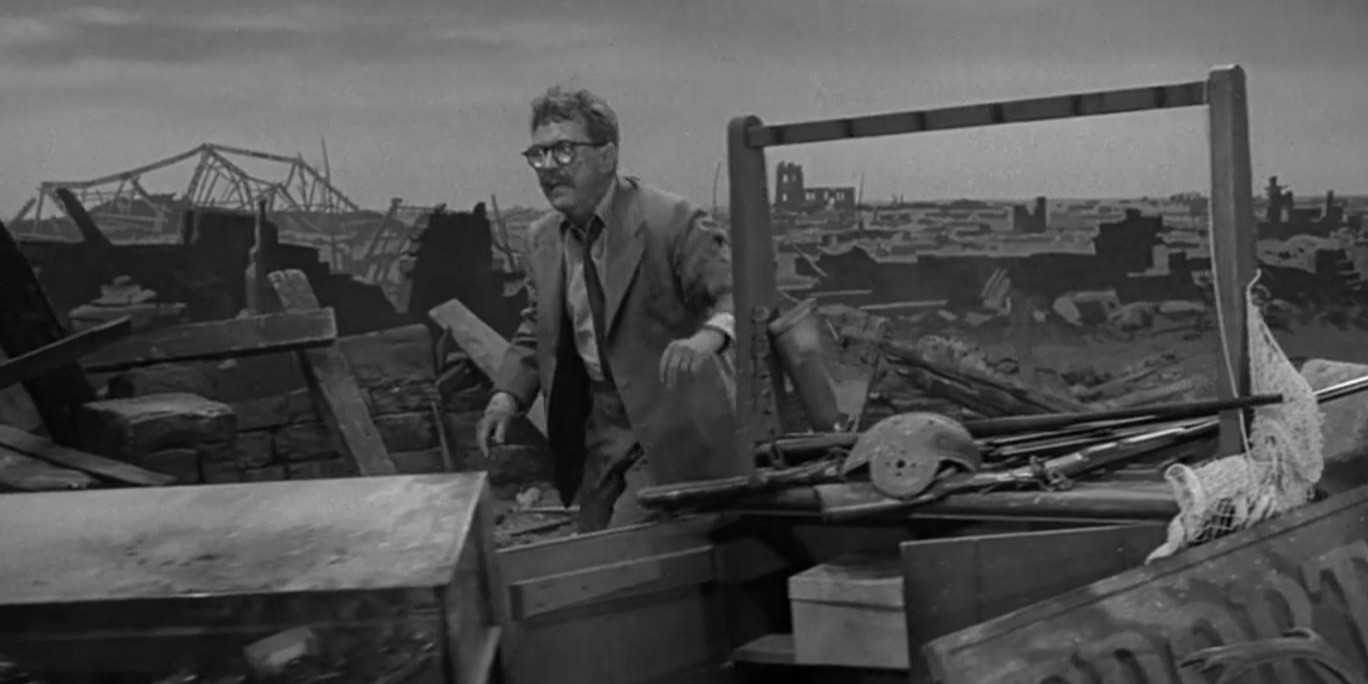
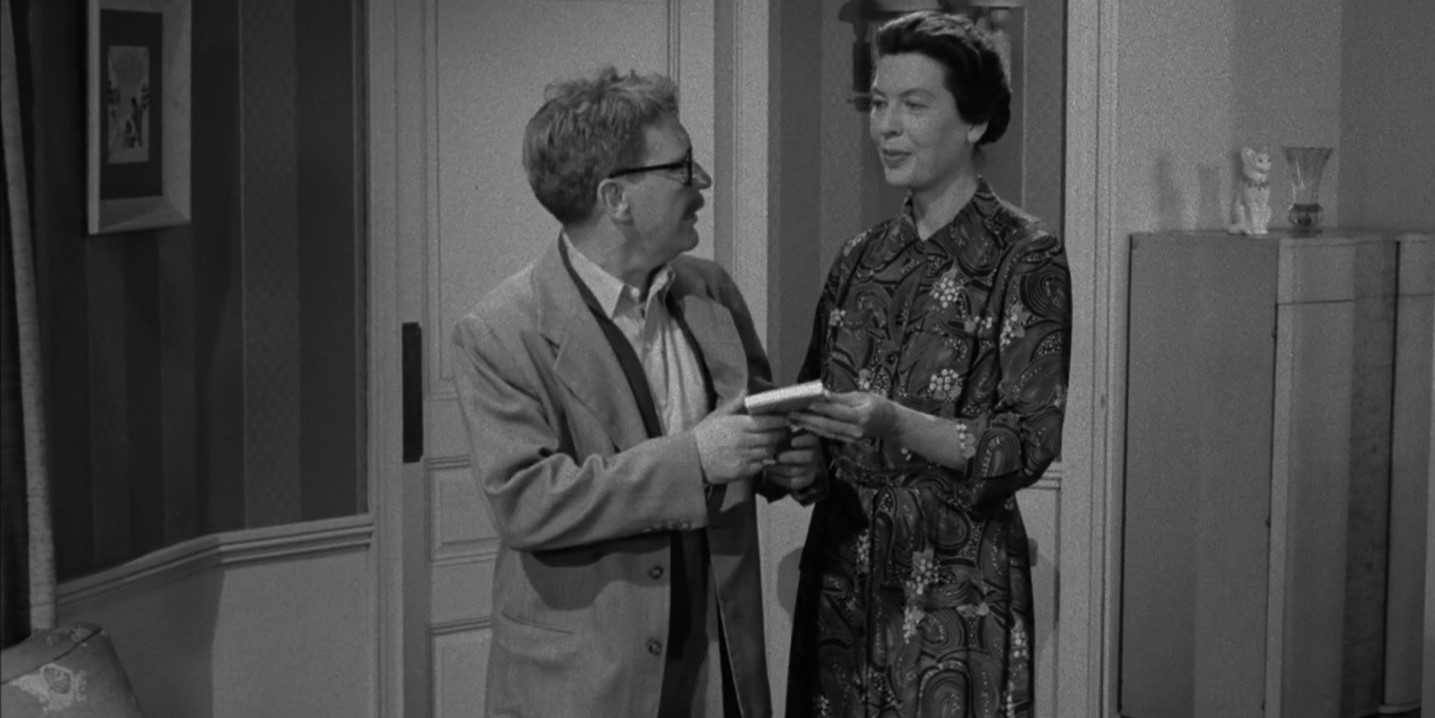
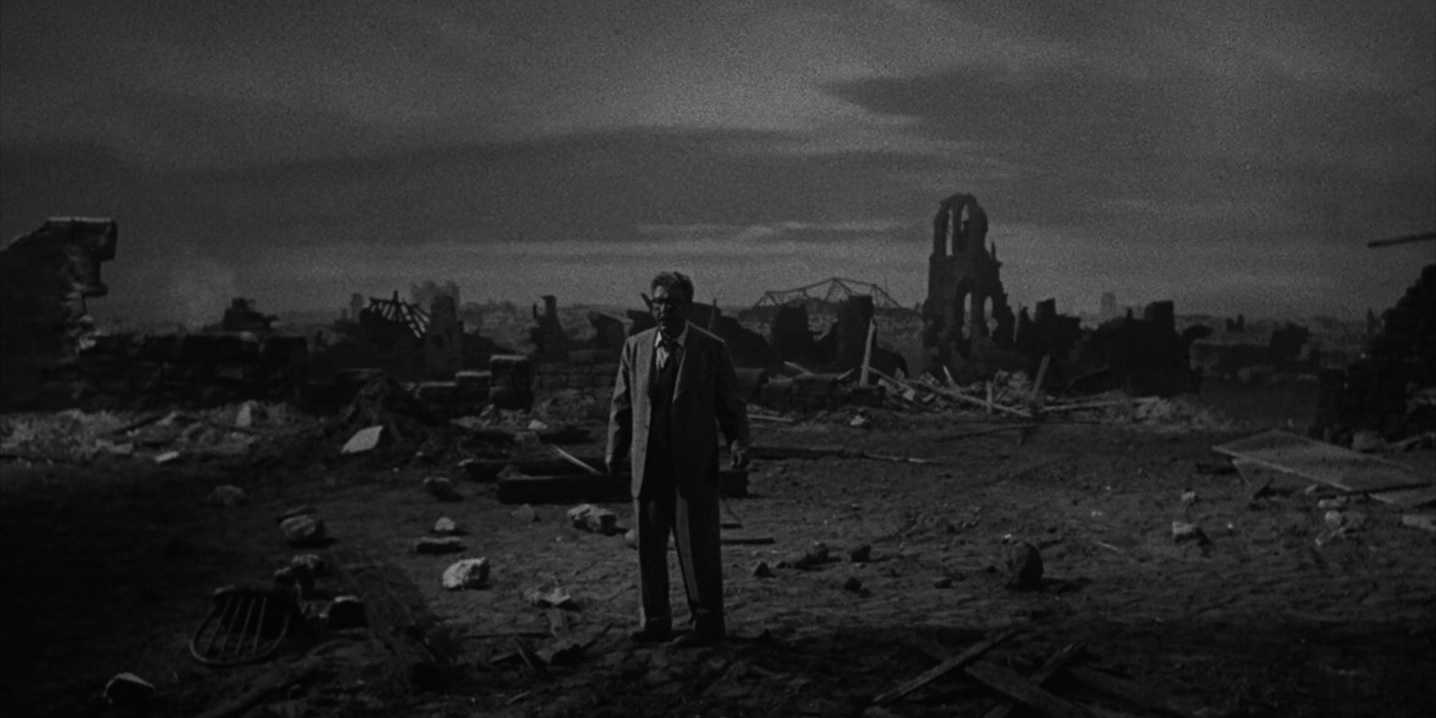
It’s tempting to view the broken glasses as the entirety of Bemis’ punishment. He can no longer read, and the one thing he has spent his life wanting is now inaccessible. Yet the episode had quietly established something much more disturbing earlier on: Bemis had been considering suicide before even discovering the library. As Zach Handlen noted in his excellent analysis for The AV Club:
“The sound of those glasses breaking is an ugly one, but the worst sound in the episode is one you never hear but know comes next: the flat finality of a gunshot.”
There is no need for The Twilight Zone to show what happens next. The broken glasses are devastating enough, but the episode has already planted the possibility of suicide in the audience’s mind. As insufferable as Bemis is early on, he isn’t callous. He might love books, but even he isn’t so removed from civility that he immediately revels in the destruction of the city so he can just read something new.
When Bemis first wanders through the ruins of the city, he is so devastated by the apparent end of humanity that he considers using his revolver on himself. Discovering the library is what gives Henry a reason to continue living. More than just a way to pass time, books actually give him a reason to believe his life still has value. You could even argue that his elation at discovering the library is a coping mechanism for the destruction that the apocalypse wrought on the world.
That is what makes “Time Enough At Last”‘s ending so cruel. The Rod Serling episode took away Henry Bemis’ happy ending, and that’s one thing, but the particularly dark part is that he gives Henry precisely the thing that will keep him going, allowing him to believe that the planet’s destruction has finally given him the freedom to live the life he dreamed of, only to then dash his hopes alongside his glasses. He still has all the time in the world, but he doesn’t need it anymore, and he won’t be able to use it doing what he loves.